Temperature and stability references for injectable compounds: refrigerated, room-temperature, and travel, per package inserts. Not medical advice.
Key points
- 01Unopened refrigerated storage (2-8 °C). The 2-8 °C refrigerated range is the most frequently specified unopened-storage condition across injectable-compound package inserts. The range is consistent with USP <659> packaging and storage requirements.
- 02In-use room-temperature allowance. Many GLP-1 pen package inserts describe an in-use allowance below 30 °C for a defined number of days following first use. Ozempic: up to 56 days. Mounjaro: up to 21 days refrigerated only per label. Zepbound: up to 21 days refrigerated only per label.
- 03Freezing excursion. Package inserts for major GLP-1 products describe freezing as grounds for discard. The USP monograph for biologic-adjacent aqueous preparations describes freeze-thaw as a denaturation risk.
- 04Reconstituted compound stability. Beyond-use dating for reconstituted compounds is compound-specific and diluent-specific. Published peptide-stability studies report ranges in days to weeks under refrigerated conditions for common aqueous preparations; the primary source for any given compound is the definitive reference.
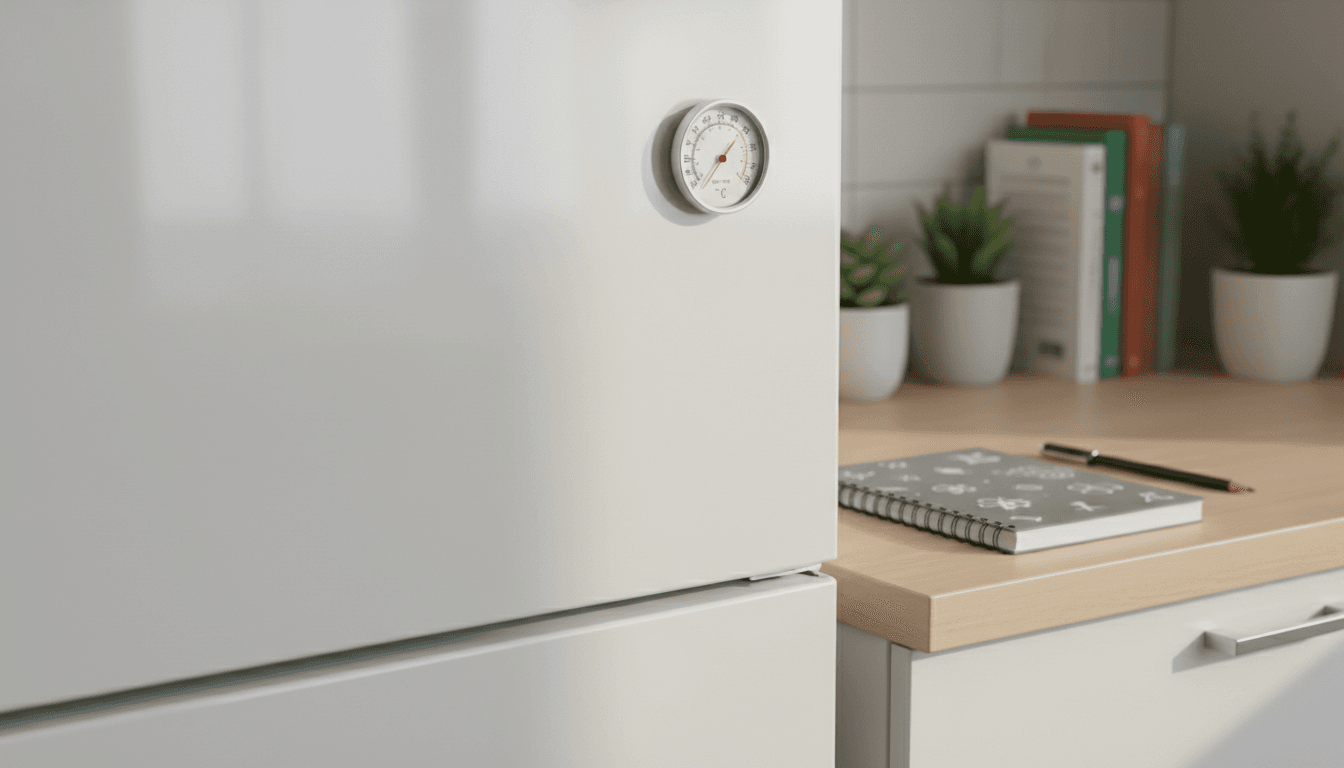
- 05Travel and excursion logging. Cold-chain accessories (for example, evaporative or battery-powered travel coolers and Bluetooth temperature sensors) are described in patient-education literature as aids to documenting storage conditions during travel. Stability data for out-of-range excursions is compound- and duration-specific.
Frequently asked questions
What storage range do the GLP-1 package inserts specify for unopened pens?+
Ozempic, Wegovy, Mounjaro, and Zepbound prescribing information each specifies refrigerated storage at 2-8 °C (36-46 °F) for unopened pens, consistent with the USP <659> packaging and storage convention.
How long is an in-use Ozempic pen stable outside the refrigerator?+
The Ozempic prescribing information describes in-use storage at room temperature below 30 °C (86 °F) or refrigerated for up to 56 days from first use. Verify against the current label at the time of use.
What do the Mounjaro and Zepbound labels describe?+
The Mounjaro and Zepbound prescribing information describes refrigerated storage (2-8 °C) of unopened pens. The labels describe a limited temporary room-temperature allowance not exceeding 30 °C for up to 21 days; for current specifics consult the active FDA label.
Is a pen that has been frozen usable?+
No. The prescribing information for Ozempic, Wegovy, Mounjaro, and Zepbound describes frozen product as grounds for discard. Freeze-thaw is a documented denaturation mechanism for aqueous peptide preparations in the stability literature.
How is beyond-use dating for reconstituted research compounds described in the literature?+
Published peptide-stability studies report compound-specific beyond-use ranges under refrigerated conditions. Generalization across compounds is not supported by the stability literature; the primary peer-reviewed source for a given compound is the definitive reference.
What tools are referenced for documenting storage conditions during travel?+
Bluetooth temperature-logging devices (for example, MedAngel) and evaporative or active-cooling cases (Frio, VIVI Cap, 4AllFamily) are referenced in patient-education literature. The logged record is the primary use case: an auditable trail of in-range storage.
Does TSA permit refrigerated medications and gel-packs?+
Yes. TSA guidance permits medications and their associated ice or gel packs in carry-on luggage, subject to declaration at the screening checkpoint. The TSA 'What Can I Bring?' guidance is the current reference.